October 8, 2026
Heating, Ventilation, and Air Conditioning (HVAC) systems are vital components of most buildings, playing a critical role in maintaining comfort and air quality. However, these systems require regular maintenance to operate efficiently and prolong their lifespan. Without regular upkeep or professional inspection from a licensed HVAC contractor, these systems can become energy guzzlers, increasing utility costs and environmental impact.
With the growing concerns about energy consumption and sustainability, ensuring energy efficiency has become a top priority for homeowners and businesses alike. Regular HVAC maintenance is a proactive step towards achieving this goal, as well-maintained systems consume less energy and perform optimally. Proper maintenance not only reduces energy bills but also enhances indoor air quality and contributes to a healthier environment.
This article will delve into the fundamentals of HVAC systems, common maintenance tasks, and the benefits of regular upkeep. By understanding the detailed aspects of HVAC maintenance, readers will gain insights into optimizing energy efficiency and extending the service life of their HVAC systems. Indeed, maintaining these systems is not just a matter of convenience; it's an investment in energy savings and sustainability.
The Basics of HVAC Systems
Types Of HVAC Systems
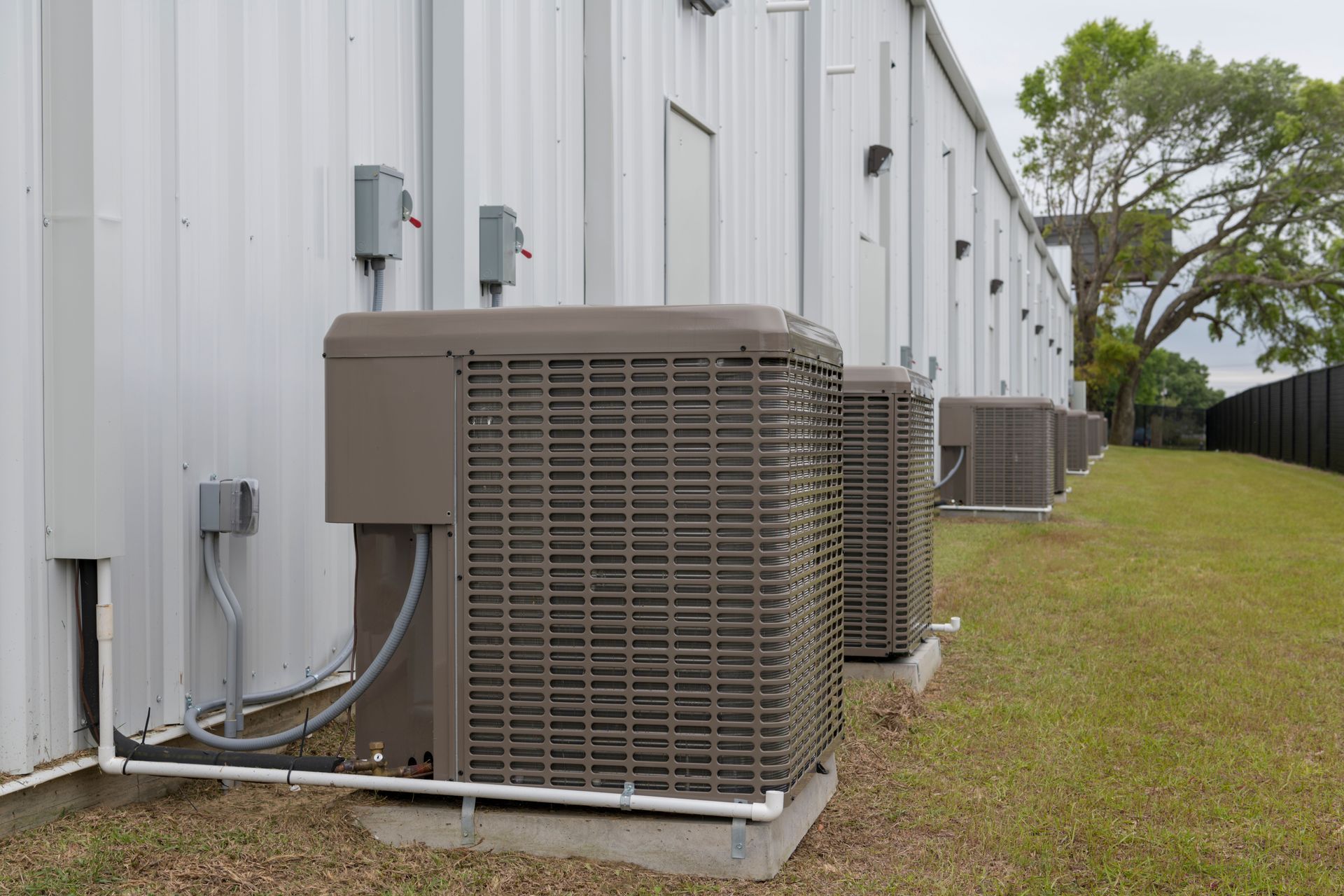
HVAC systems come in various types, each designed to meet different building requirements. Central systems, for example, are common in larger buildings, offering centralized control over temperature and air quality through a single network of ducts. Alternatively, split systems separate the components for heating and cooling, typically using a furnace for heating and an outdoor unit for cooling. In more compact spaces, package systems condense all the components into a single unit, providing an efficient solution where space for equipment is limited. Understanding these systems helps users select and maintain their HVAC systems based on the specific needs and constraints of their building.
How HVAC Systems Work
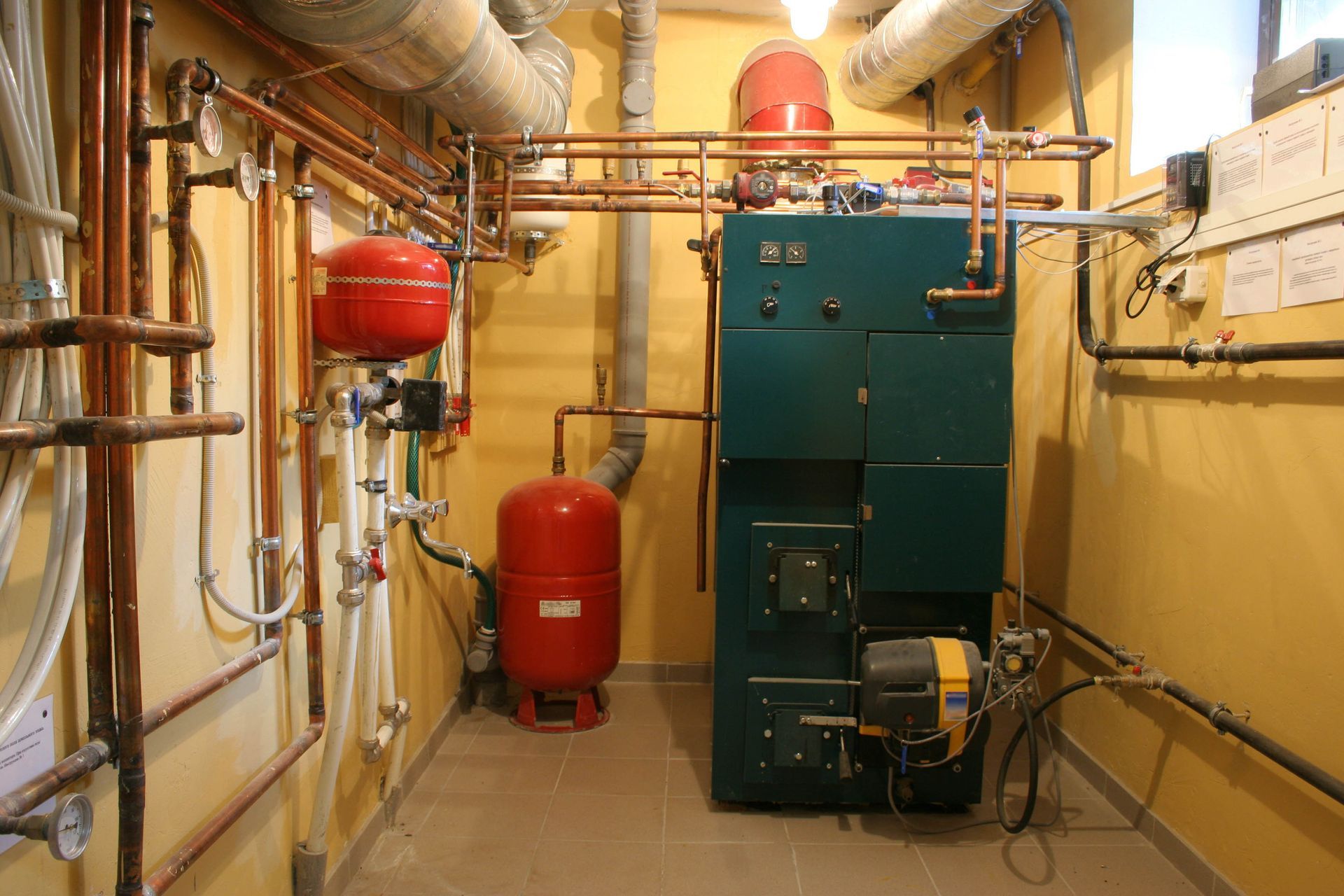
The working principle of HVAC systems centers around thermodynamic processes that regulate air temperatures and quality. Heating is usually achieved through the combustion of fuels or electric heat pumps that circulate warm air throughout the building. Cooling systems use refrigerants and fans to absorb heat from interior spaces, expelling it outdoors and maintaining a cooler indoor environment. Ventilation mechanisms facilitate the exchange of indoor and outdoor air, helping to filter contaminants and regulate humidity levels. These processes require significant energy, making efficient operation critical to minimizing energy expenditure and achieving sustainable usage levels.
Energy Consumption Patterns
The energy demand of HVAC systems is especially significant, accounting for substantial portions of total energy usage in buildings. According to This Old House, approximately 52% of the energy used in a typical American home will be for heating and cooling. This makes HVAC systems one of the most significant draws on energy consumption in residential and commercial settings. Inefficient system performance can result in wasted energy, leading to escalated utility bills and an increased carbon footprint. Consulting a qualified HVAC contractor for seasonal tune-ups is thus essential for maintaining efficient operation, helping to mitigate the potential energy inefficiencies that arise from poorly performing HVAC systems.
Benefits of Regular HVAC Maintenance
Improved Energy Efficiency
One of the primary benefits of regular HVAC maintenance is enhanced energy efficiency, resulting in decreased utility bills. Cleaned and well-functioning components such as filters, fans, and motors consume less energy, reducing the operational costs of heating and cooling. An efficiently maintained system also ensures optimal air circulation, minimizing the energy required to keep indoor temperatures consistent. By addressing potential energy drains through regular checks, a professional HVAC contractor can ensure systems operate at peak efficiency. Investing in regular maintenance is key to managing energy consumption while achieving long-term savings on utility costs.
Extended Equipment Lifespan
Regular maintenance extends the lifespan of HVAC equipment by preventing minor problems from escalating into major failures. Tasks such as lubricating components, cleaning coils, and adjusting controls protect the system from excessive wear and tear over time. This proactive approach prevents premature breakdowns by addressing issues before they become serious, costly problems. In addition to reduced repair costs, extending the lifespan of HVAC equipment increases the return on the initial investment. Homeowners and businesses can enjoy many years of reliable service from their HVAC systems by committing to regular maintenance schedules.
Enhanced System Performance
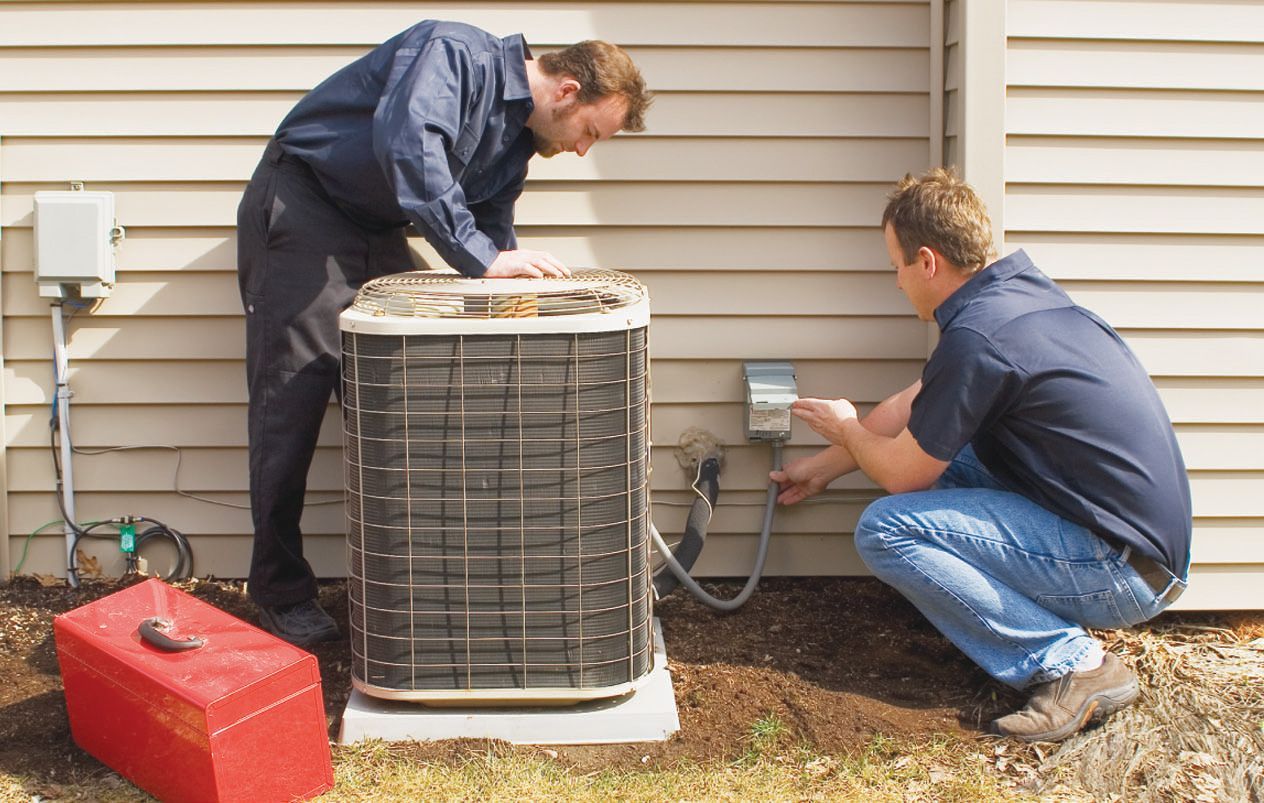
Consistent HVAC maintenance contributes to improved system performance, ensuring reliable comfort and indoor air quality. A well-maintained HVAC system operates smoothly and quietly, providing consistent and even temperature control throughout the building. Maintenance tasks such as filter replacement, coil cleaning, and thermostat calibration prevent airflow restrictions and optimize temperature regulation. Having a reliable HVAC contractor perform routine system checkups keeps mechanical faults at bay. Overall, regular maintenance maximizes system efficiency, enhancing both performance and occupant comfort.
Improved Indoor Air Quality
The impact of regular HVAC maintenance on indoor air quality is substantial, contributing to a healthier environment for occupants. Maintaining clean air filters, coils, and ductwork ensures that airborne pollutants, allergens, and odors are effectively captured and removed. Preventive maintenance prevents the accumulation of contaminants within the system that can recirculate into living spaces. Additionally, effective ventilation and humidity regulation prevent mold growth, a potential hazard in poorly maintained HVAC systems. By prioritizing maintenance, indoor air quality is enhanced, promoting health and well-being for all building occupants.
How Regular Maintenance Impacts Energy Efficiency
Optimization of System Settings
Regular maintenance plays a critical role in optimizing system settings to achieve maximum energy efficiency. Calibrating thermostats, adjusting dampers, and setting controls appropriately ensure the HVAC system runs smoothly without unnecessary energy consumption. Optimization tasks implemented by a knowledgeable HVAC contractor during maintenance also consider seasonal adjustments for temperature preferences and occupancy patterns. Properly calibrated settings result in efficient operation, reducing the energy used for heating and cooling a space. This fine-tuning of system settings through maintenance saves energy and enhances indoor comfort.
Reduction in Energy Wastage
Energy wastage in HVAC systems can result from a myriad of inefficiencies such as air leaks, dirty filters, or blocked ducts. Through regular maintenance, an HVAC contractor can identify and correct potential sources of wastage, ensuring optimal performance of the system. Efficient systems use less energy to achieve desired temperatures, minimizing unnecessary environmental impact. In conjunction with reduced energy usage comes the financial benefit of decreased energy bills, a win for both home or business owners and sustainability initiatives. A commitment to maintenance enhances the integrity of the system and conserves energy resources.
Prevention of System Overwork
Preventing HVAC systems from overworking is essential to maintaining energy efficiency and preventing premature failures. Maintenance tasks, such as cleaning and inspecting components, ensure that systems do not exert undue effort compensating for clogged filters or airflow obstructions. By optimizing various system components, HVAC maintenance ensures stress-free operation, reducing strain on parts and minimizing wear and tear. This proactive approach to maintaining system health prevents overworking and conserves both energy and resources effectively. Ultimately, regular maintenance is a cost-effective strategy to prevent system overwork, leading to energy-efficient operation.
Ensuring Optimal Performance
Regular maintenance ensures that HVAC systems maintain peak performance and operate within their design specifications. From the efficiency of heating and cooling processes to the effectiveness of ventilation, maintenance addresses every aspect of system performance. By eliminating potential bottlenecks and inefficiencies, well-maintained systems provide consistent climate control with minimal energy use. Moreover, scheduling an annual checkup with a trusted HVAC contractor optimizes performance by keeping systems free of dust, debris, and mechanical faults that compromise efficiency. Achieving optimal performance through routine upkeep maximizes the return on investment for HVAC systems, supporting comfort and energy savings.
Regular HVAC maintenance is far more than a routine home care chore—it is a critical investment in energy efficiency, indoor air quality, and long-term financial savings. As heating and cooling account for over half of the average home's energy consumption, keeping your system properly cleaned, calibrated, and serviced directly impacts both your monthly utility bills and your overall carbon footprint. By taking proactive steps to address minor wear, optimize system settings, and clear air restrictions, homeowners and business managers can ensure their HVAC equipment delivers peak performance while avoiding premature, costly breakdowns. Ultimately, committing to routine upkeep protects your initial investment, extends equipment lifespan, and fosters a healthier, more comfortable indoor environment for years to come. Contact the certified technicians at Jensen Mechanical today to schedule your comprehensive HVAC maintenance service.