August 6, 2026
Replacing an outdated heating and cooling unit represents a major financial commitment that impacts daily indoor comfort, home air quality, and monthly energy expenditures across every season of the year. Choosing the right replacement system requires careful evaluation of property heating needs, ductwork condition, equipment efficiency ratings, and long-term maintenance requirements. Homeowners facing an upcoming replacement often feel overwhelmed by complex technical jargon, competing brand options, and varying installation estimates provided by local service companies. Partnering with a qualified HVAC contractor ensures that every technical aspect receives proper professional assessment before purchasing new residential climate equipment. Asking targeted questions before signing an installation agreement empowers property owners to make informed choices that deliver consistent temperature control, dependable indoor air filtration, quiet system operation, and predictable operating costs over many years of reliable operation. Knowing which inquiries to make helps homeowners avoid common installation pitfalls.
1. What Equipment Size Fits Your Home?
Selecting proper equipment capacity remains a foundational step when upgrading residential climate control systems. Installing a unit that lacks sufficient cooling or heating capacity causes continuous mechanical strain, leading to severe component wear, uneven room temperatures, uncomfortable humidity levels, and elevated electrical bills. Conversely, choosing an oversized system leads to rapid cycling, where the unit turns on and off too frequently without operating long enough to remove ambient indoor moisture effectively. A knowledgeable HVAC contractor will perform a thorough load calculation that evaluates total square footage, window placement, wall orientation, ceiling height, insulation levels, and local weather patterns. Relying on professional load calculations prevents costly sizing errors and guarantees balanced airflow throughout every living space across all seasons.
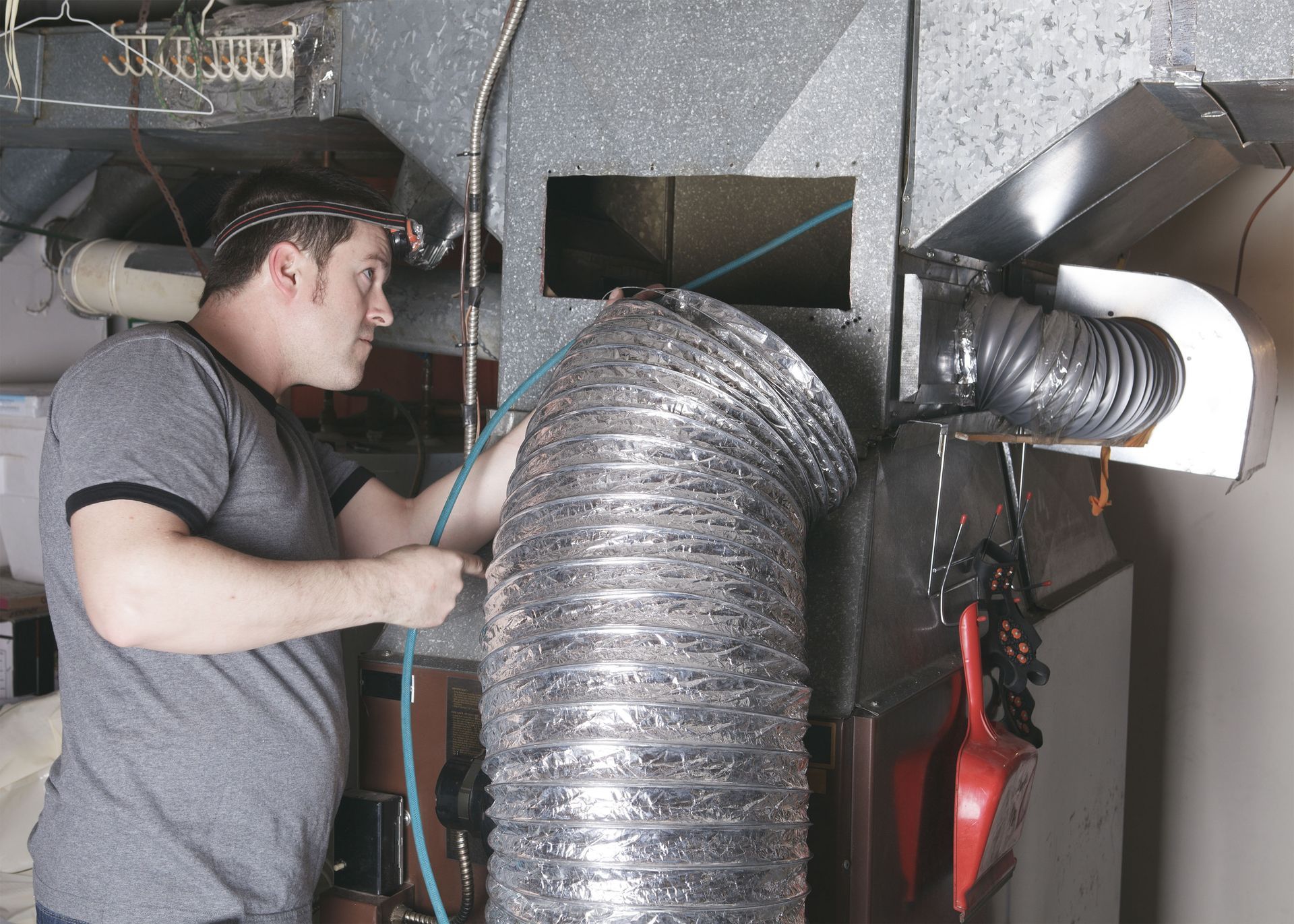
During the initial assessment, property owners should inquire whether existing air ducts can handle the airflow volume required by modern high-efficiency equipment. Older duct networks frequently feature air leaks, inadequate insulation, crushed sections, or improper sizing that restricts air movement and reduces overall system performance. A skilled HVAC contractor can inspect duct connections, measure static pressure, evaluate return air capacity, and recommend necessary duct modifications prior to setting up new heating and cooling machinery. Addressing airflow limitations beforehand ensures that fresh conditioned air circulates quietly and efficiently through every supply register without placing unnecessary mechanical strain on new blower motors.
2. What Energy Rating Lowers Utility Costs?
Understanding efficiency ratings helps property owners evaluate potential operational savings against initial installation expenditures. Modern cooling and heating units utilize standardized performance metrics to indicate how effectively equipment converts electrical power into thermal comfort. Higher efficiency ratings generally correspond to lower monthly electrical bills, though advanced systems require higher upfront capital investments for equipment purchase and setup. An experienced HVAC contractor can explain how seasonal performance metrics translate into realistic monthly savings based on local utility rates and annual usage habits. Reviewing estimated utility cost reductions allows homeowners to select an efficiency tier that aligns with personal budget expectations and long-term operational goals.
In addition to lower utility bills, selecting high efficiency machinery often qualifies property owners for regional utility rebates and government financial incentives. Many energy providers offer cash rebates for installing qualifying high efficiency heat pumps or air conditioning units that meet specific performance criteria. A certified HVAC contractor stays informed about available rebate opportunities and can assist clients with completing required documentation during the replacement process. Exploring available financial incentives lowers net installation costs while encouraging environmentally responsible choices that reduce overall residential energy consumption across the community.
3. What Refrigerant Standards Impact Future Repairs?
Environmental regulations regarding cooling chemicals have evolved significantly to reduce ecological impacts associated with older chemical compounds. Older cooling systems using legacy chemical compounds face rising maintenance costs as chemical production decreases and remaining supplies become increasingly expensive over time. According to the NAHB, the HVAC industry is transitioning to lower global warming potential refrigerants, as mandated by the American Innovation and Manufacturing Act of 2020. Asking about modern chemical compounds ensures that new equipment utilizes current compliant cooling agents that will remain readily available for routine service needs without unexpected supply bottlenecks.
Understanding refrigerant availability protects homeowners from unexpected repair expenses if cooling chemical leaks occur years after initial setup. Modern units designed for updated chemical blends operate with higher energy efficiency and enhanced heat transfer capabilities that improve overall system responsiveness. A licensed HVAC contractor can clarify which chemical blend powers the proposed replacement equipment and explain how future servicing will be managed over the lifecycle of the system. Choosing forward-looking cooling technology prevents early equipment obsolescence and ensures long-term serviceability without facing severe supply shortages or regulatory phaseouts.
4. What Maintenance Plans Extend System Lifespan?
Routine preventative care remains critical for preserving mechanical efficiency and avoiding sudden operational failures during peak summer heat waves or severe winter cold snaps. Regular tune-ups include cleaning condenser coils, inspecting electrical connections, lubricating moving components, checking chemical pressures, testing safety controls, and clearing condensate drain lines. Inquiring about ongoing maintenance packages helps property owners establish a consistent service schedule right from the start. A trustworthy HVAC contractor typically provides comprehensive maintenance agreements that include scheduled annual inspections, priority scheduling during emergency service requests, and discounted replacement parts.
Establishing a formal maintenance arrangement also protects equipment warranties, as many manufacturers require documented annual tune-ups to keep coverage active throughout the warranty period. Neglecting routine cleaning and inspection can lead to component overheating, restricted airflow, frozen evaporator coils, and premature compressor failure. Discussion with a professional HVAC contractor regarding recommended filter replacement schedules, proper thermostat operation, and simple homeowner maintenance steps keeps equipment running smoothly between professional visits. Consistent preventative maintenance minimizes emergency service calls and extends the operating life of sensitive mechanical components.
5. What Warranty Coverage Protects Your Investment?
Protecting a major household investment requires a clear understanding of available manufacturer parts warranties and installer labor guarantees. Manufacturer warranties typically cover internal mechanical components, compressors, electrical modules, and heat exchangers against manufacturing defects for specified timeframes. However, labor expenses associated with removing faulty parts and installing replacement components are often excluded from standard manufacturer policies unless supplemental labor coverage is secured. Asking a reliable HVAC contractor about available labor warranty options ensures comprehensive financial protection against unexpected component failures during early operating years.
Clarifying warranty registration requirements before installation prevents accidental loss of extended coverage options provided by equipment manufacturers. Many equipment manufacturers require formal online registration within a strict timeframe following installation to unlock full warranty terms and extended component protections. A customer-focused HVAC contractor handles warranty registration on behalf of the client or provides clear step-by-step guidance to complete the process properly. Confirming all written warranty terms provides complete peace of mind, ensuring that your home climate control system remains fully protected over many years of continuous operation.
Upgrading a residential heating and cooling setup requires thoughtful evaluation of equipment size, energy efficiency ratings, evolving environmental regulations, ongoing service agreements, and protective warranty coverage. Taking time to ask detailed questions empowers property owners to select climate control equipment that meets exact indoor comfort preferences while controlling long-term utility expenses. Partnering with a dedicated professional ensures proper installation practices, optimized air distribution, balanced humidity control, and reliable long-term mechanical performance. Scheduling a comprehensive home comfort evaluation represents the best step toward enjoying a reliable indoor environment. To discuss your home heating and cooling needs and receive expert installation guidance from qualified technicians, contact Jensen Mechanical.